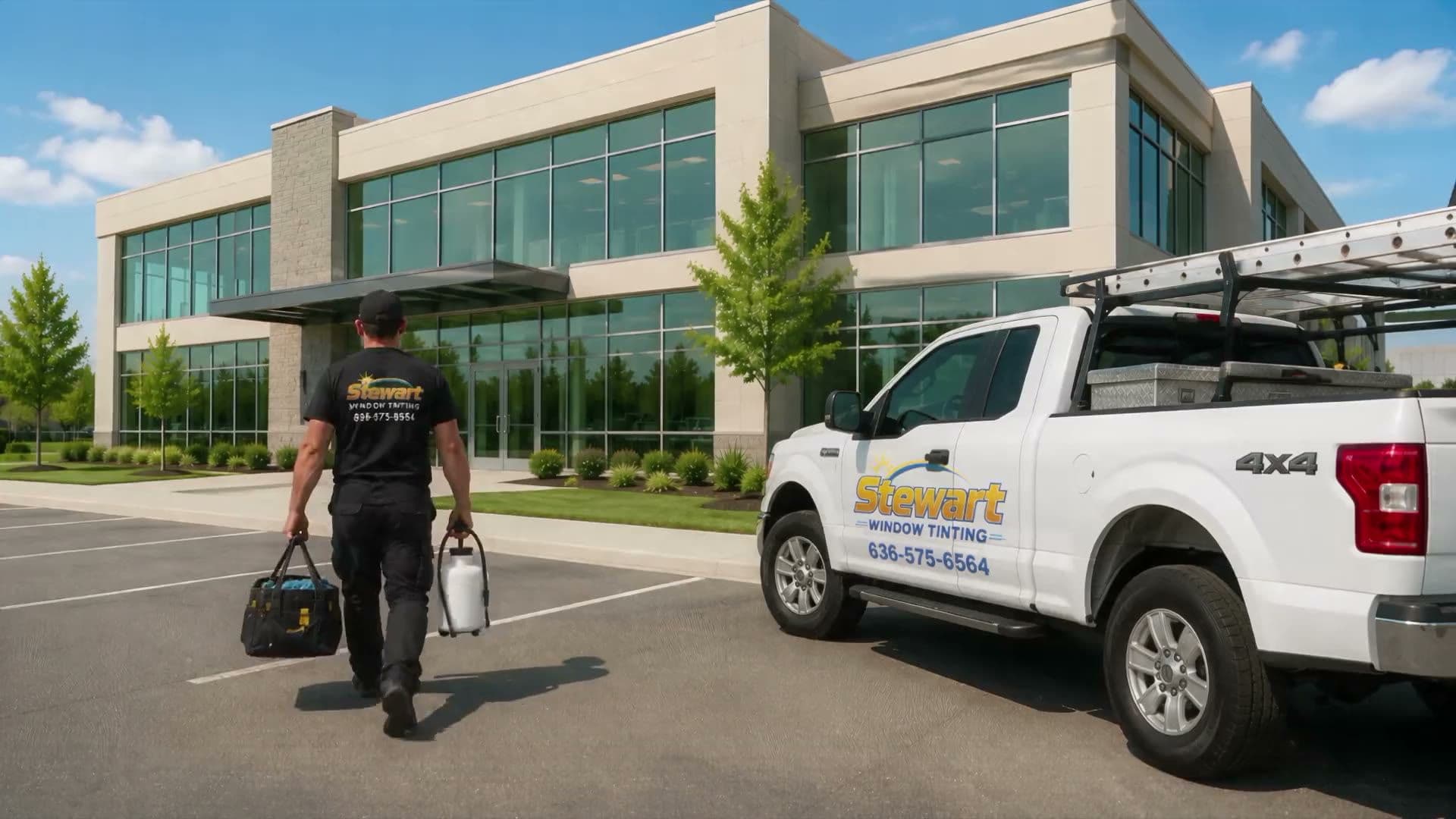
Window tinting · Cedar Hill, Missouri
Keep the view.Lose the heat.
Professional window film for homes, businesses and vehicles across Cedar Hill, Jefferson County and the surrounding Missouri communities.
- LocalJefferson County based
- ScopeHome, business & vehicle
- EstimatesFree, on site
- InstallProfessional installation
- Experience20+ years
Who are we solving this for?
The problems are related but they are not the same job. Pick one and the rest of this section follows you.
For homeowners
The room nobody uses after three o'clock.
Most homeowners call about one room. The west-facing living room that is unusable all afternoon, the kitchen where glare washes out the counter, the front window that puts the sofa on display to the street. Film goes on the inside of the glass you already have, so nothing changes from the curb.
- Rooms that overheat in the afternoon
- Glare on televisions and monitors
- Flooring and furniture that are fading
- Street-facing windows with no daytime privacy
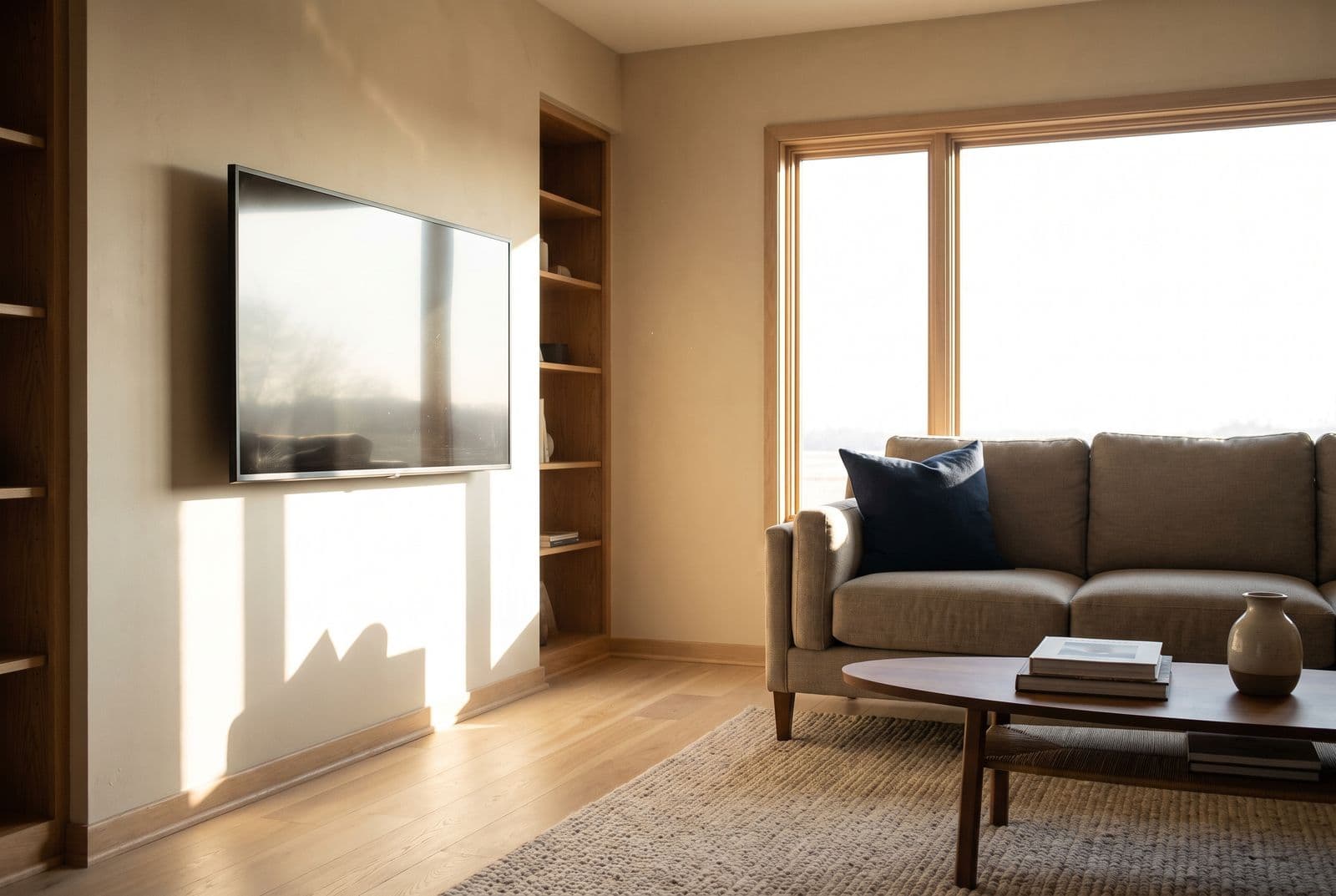
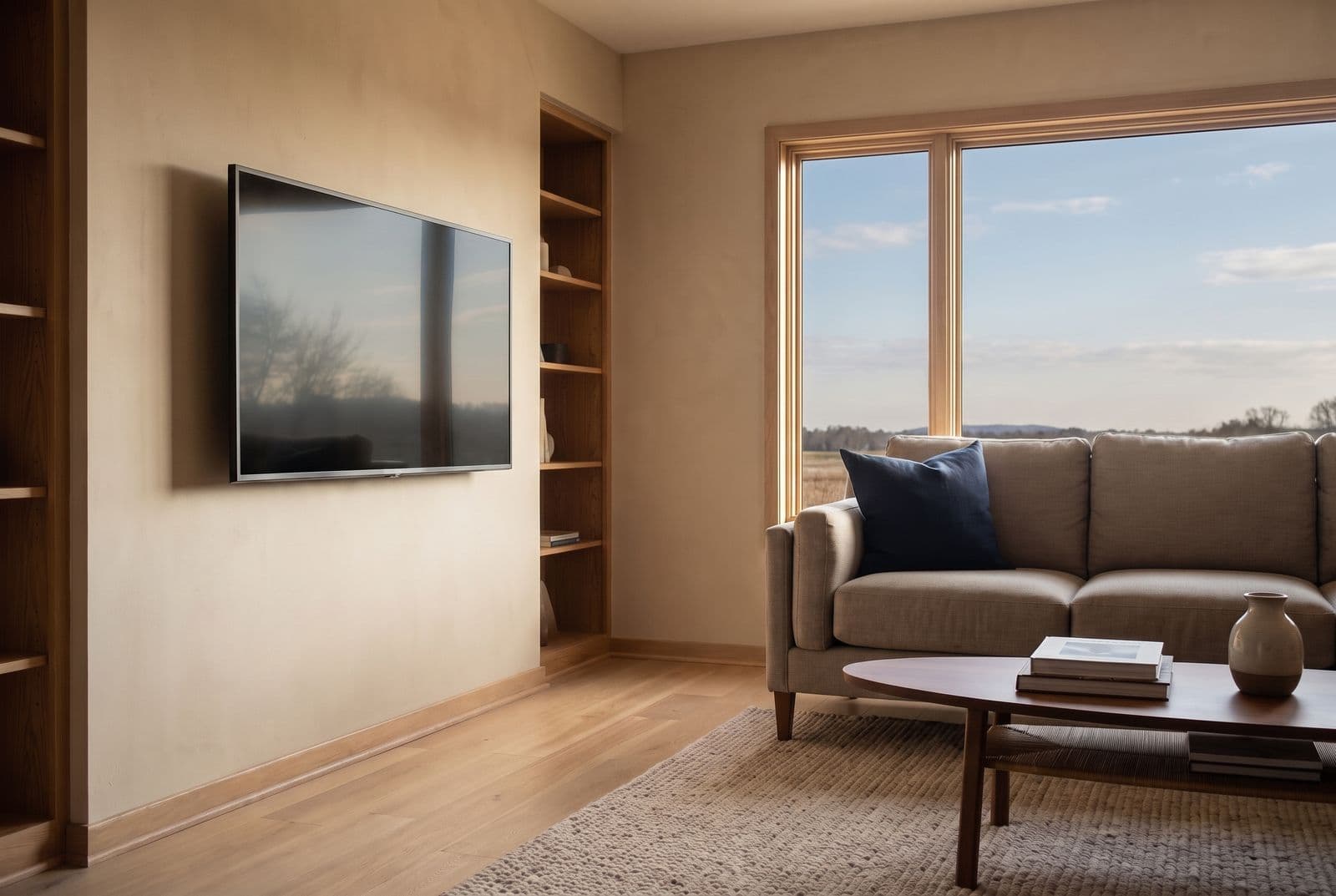
Four o'clock, west-facing
What are you trying to fix?
Pick the complaint that sounds most like your situation and we will name the film that addresses it.
Heat-control window film
Solar film rejects a share of the sun's energy at the glass, so the sunny side of the building stops overwhelming your air conditioning. This is the most common reason people call.
Higher heat rejection generally means a slightly darker window.
What the film is doing
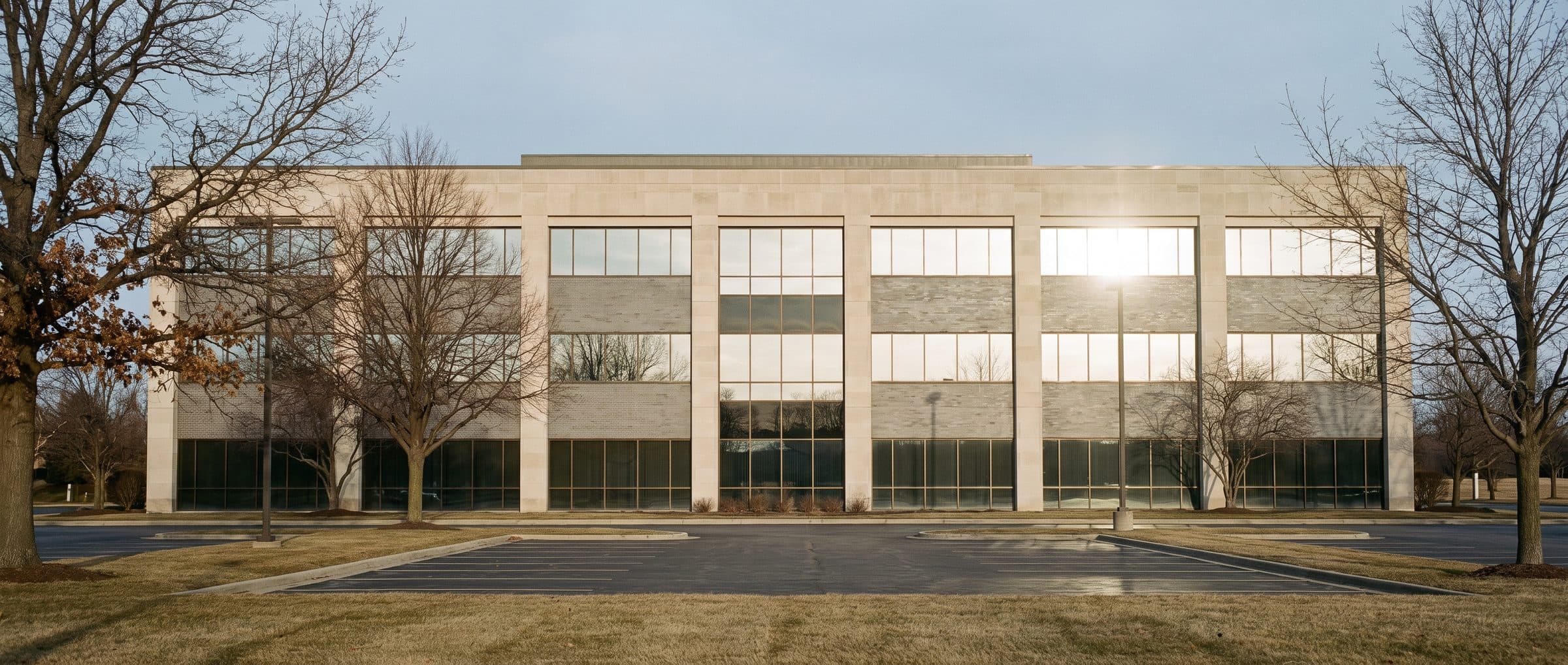
One elevation, four problems solved at once.
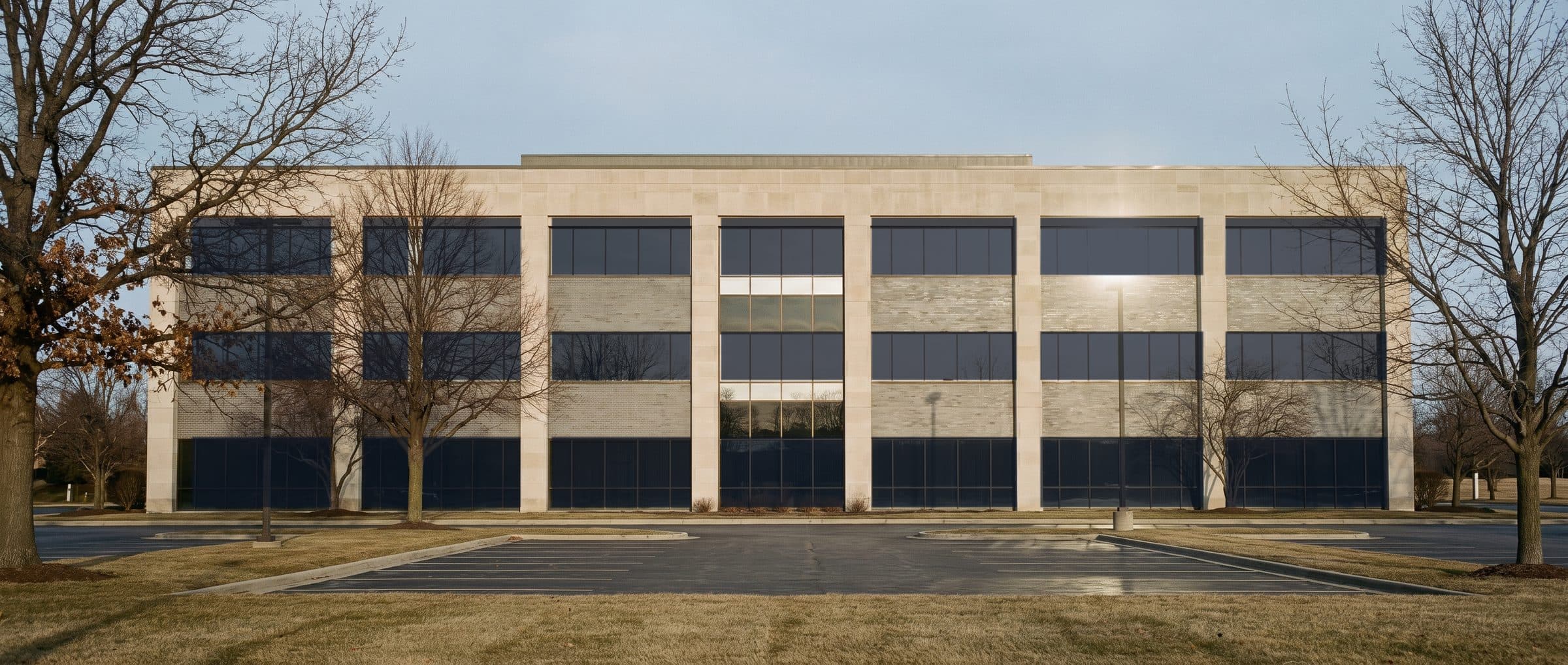
01UntreatedUntreated
02HeatHeat
03GlareGlare
04UVUV
05PrivacyPrivacy
This is the glass as it is.
West elevation, mid-afternoon. Every pane is passing solar energy, glare and ultraviolet straight into the rooms behind it, and showing whoever is in the car park exactly what is inside.
Solar energy is turned back at the glass.
Rejected at the window rather than absorbed by the space behind it, so the sunny side of the building stops driving the cooling on its own.
The light drops to a workable level.
Screens and desks by the window stay usable through the afternoon, and the blinds stay up. That is the point: blinds solve glare by removing the view.
The fading stops getting worse.
Quality film blocks the large majority of ultraviolet light, the single largest cause of fading in flooring, furniture and stock.
From outside it reads as tinted.
From inside, the view out and the daylight are where they were. Reflective film reverses after dark, once the interior is the brighter side. That is why it is chosen for daytime privacy and not for night.
One photograph. Only the glazing changes between the two states.
One product, seven different jobs.
Window film is a category, not a single thing. These are the families we work with and what each one is actually for.
Solar control film
The reason most people call.
Solar film rejects a share of the sun's energy at the glass instead of letting it into the room for the air conditioning to remove afterwards. The sunny side of the building stops fighting the thermostat all afternoon.
Where it goes
- West and south-facing rooms
- Sunrooms and enclosed porches
- Office window walls
- Rooms with large sliding doors
The tradeoff
There is a real relationship between how much energy a film rejects and how it reads from outside. Modern films narrow that gap a long way, but they do not erase it, which is why we show samples against your own glass.
What each tint level looks like.
One room, one window, five films. Drag the handle across the glass. The room does not change, only the glazing does.
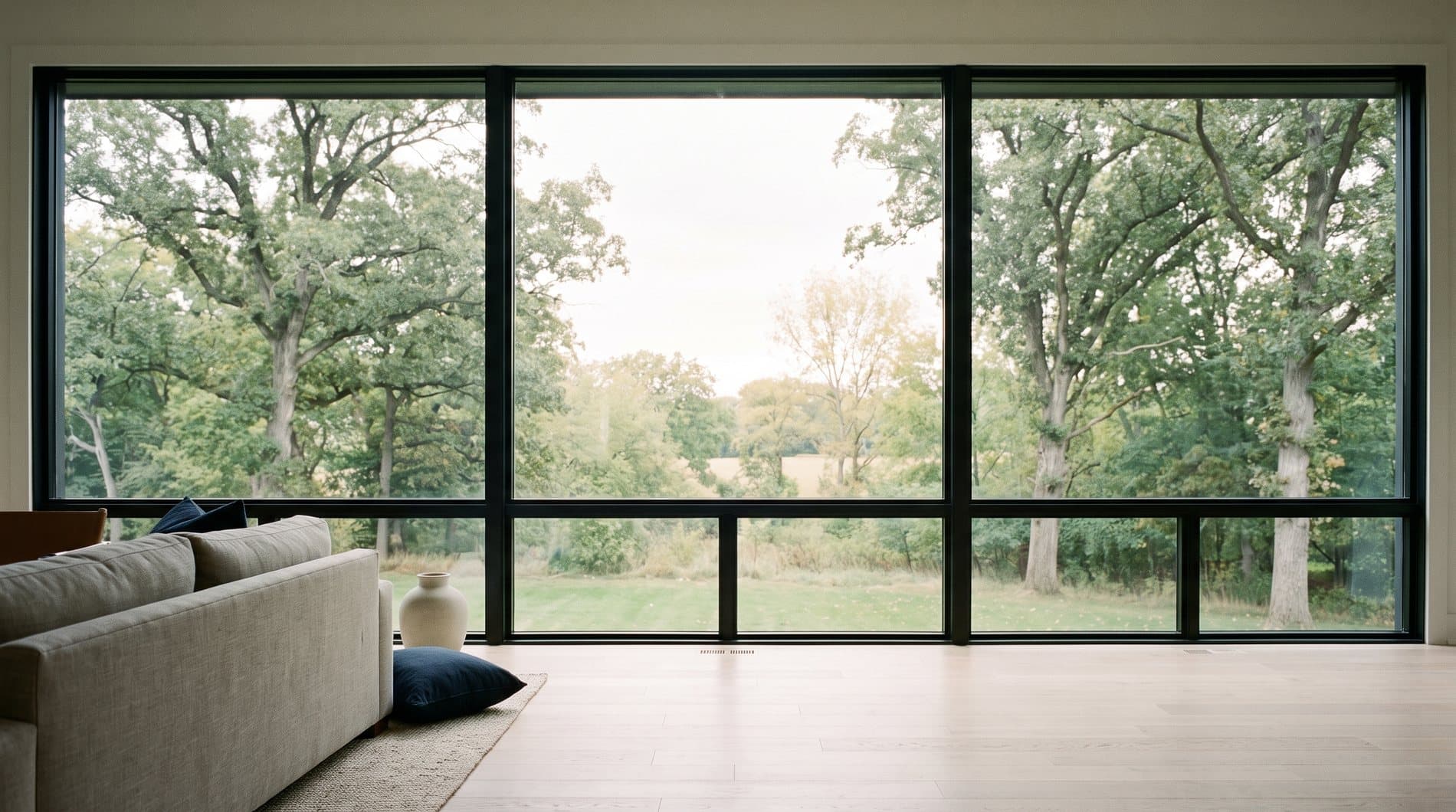
Medium
The common choice for homes. Clear glare and heat control, still obviously a window.
Visual approximation only. The tint is applied to a mask of the glazing in this photograph. Actual appearance varies by film, glass type and lighting, so we bring real samples to hold against your own windows before you choose.
Smarter glass for better buildings.
Find the building you are responsible for. The problems listed are the ones that type of property actually reports.
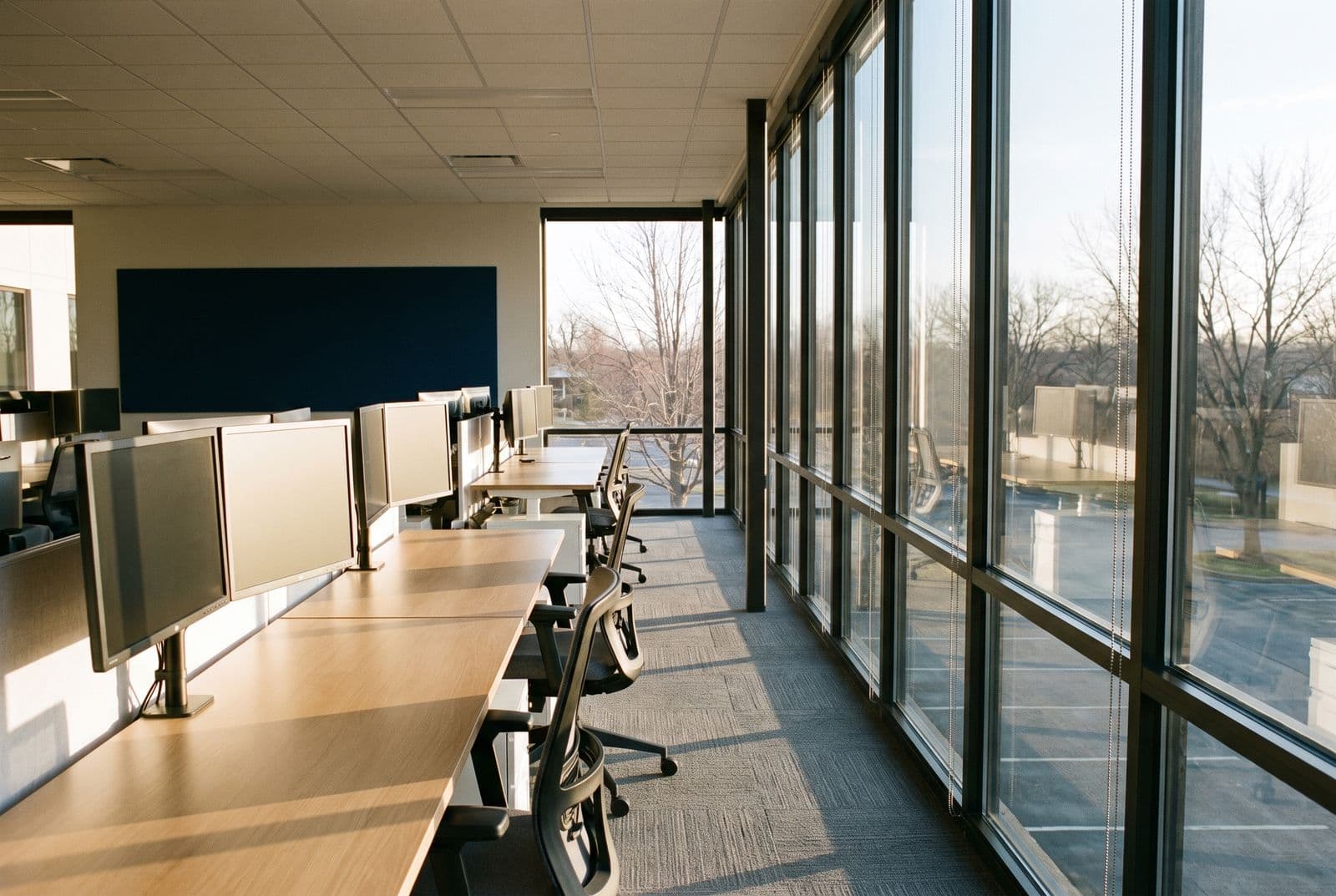
Offices
What we get called about
- Afternoon glare across monitors
- Desks by the glass run hot while the rest of the floor is fine
- Conference rooms with no privacy
- One thermostat that cannot satisfy both sides of the floor
Where we usually land
Solar control for the window wall, glare reduction at the desks, frosted film on partitions and conference glass.
We look at the glass, the exposure and how the space is used, then quote. No charge, and no obligation.
Experience
20+ years working with glass.
Window film is not a complicated product. It is a demanding installation. The difference between a job that still looks right in ten years and one that bubbles by the second summer is almost entirely the person holding the squeegee.
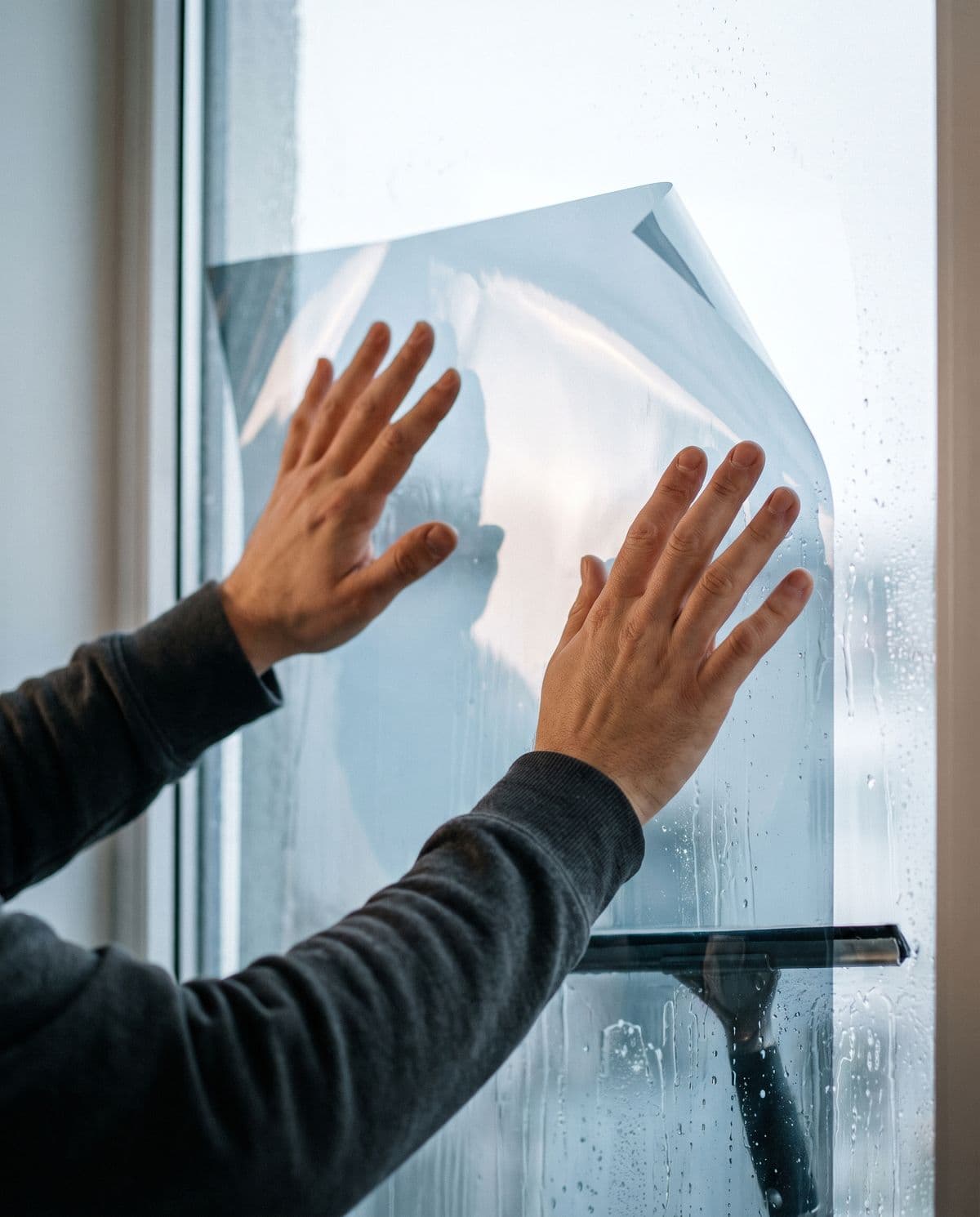
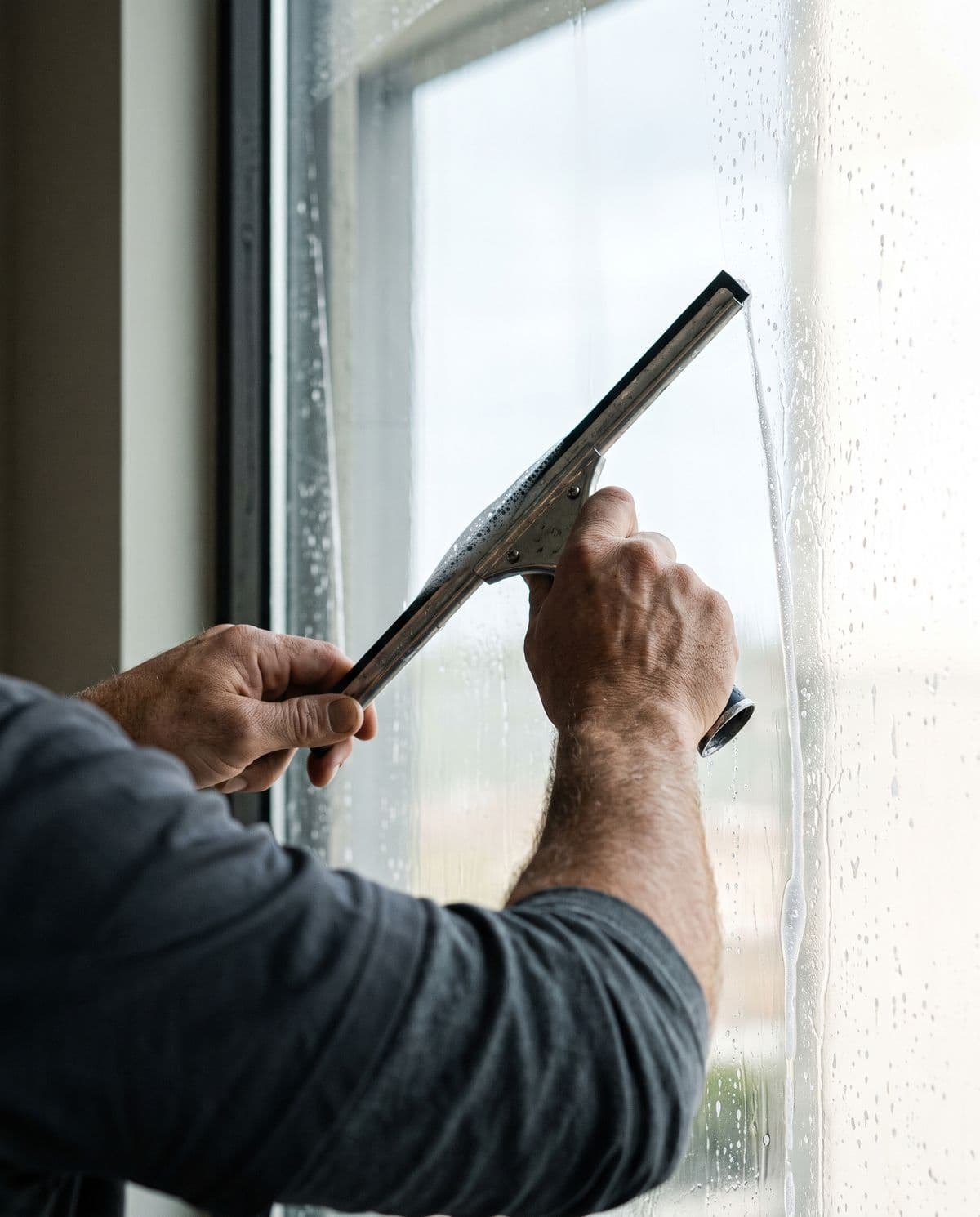
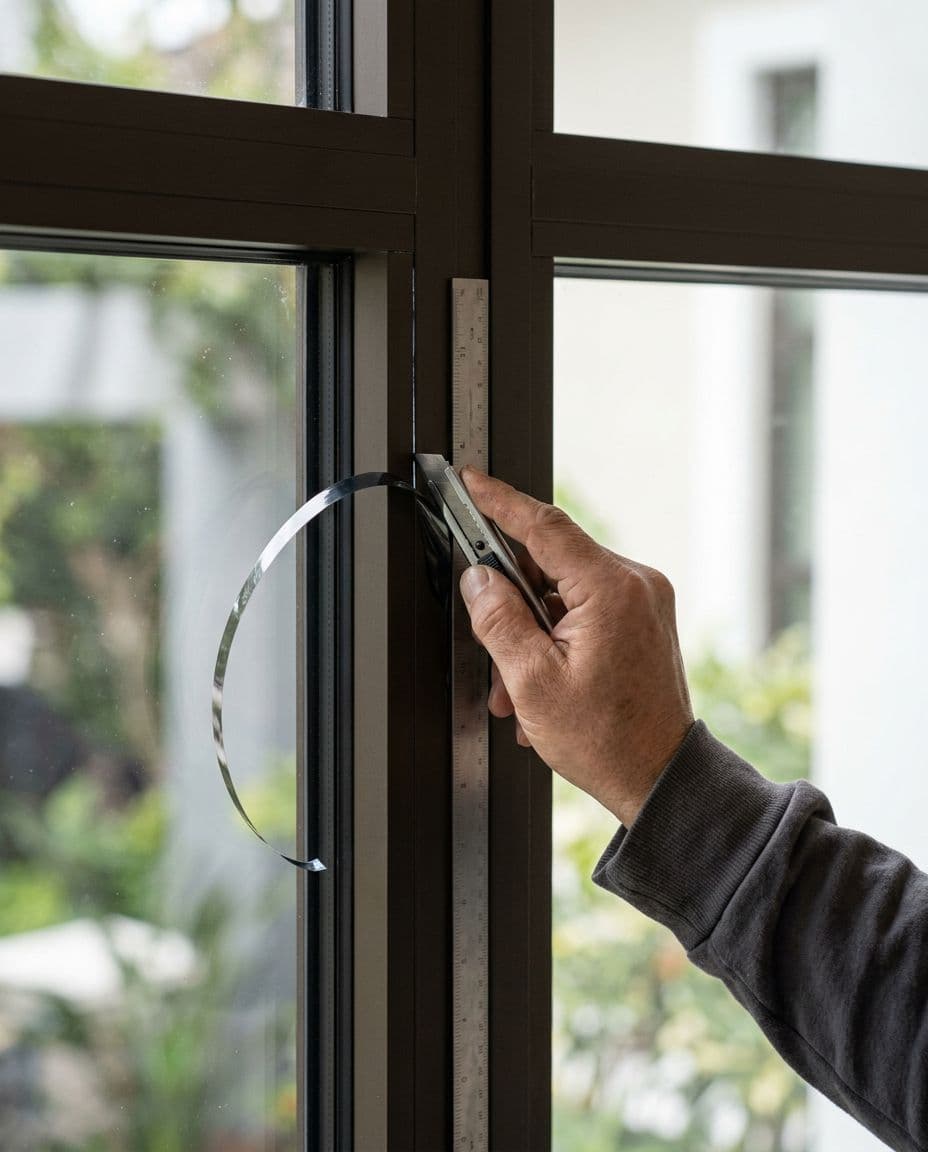
Film selection is a judgement, not a catalogue
Two windows that look identical can need different films once you know which way they face and what the room is used for. The catalogue does not tell you that; the twentieth year does.
Preparation decides how long it lasts
Almost every failed installation, the hazing, the lifting corner, the trapped speck under the film, traces back to how the glass was cleaned before anything was applied. It is the least visible part of the job and the one that determines the outcome.
Edges are where the work shows
A film cut a hair short leaves a light line against the frame. Cut a hair long and it lifts. The gap between acceptable and invisible is about a millimetre, and it is entirely a matter of hand.
Inspection happens before you see it
Every pane gets looked at from both sides in daylight before the job is called finished. Finding the flaw yourself is a great deal cheaper than the customer finding it a week later.
The installation
Seven stages, and the third one matters most.
Film is not a complicated product. It is a demanding installation, and nearly every failure traces back to one stage.
- 01Measure
- 02Prepare
- 03Clean· below
- 04Position
- 05Apply
- 06Finish
- 07Inspect
Clean
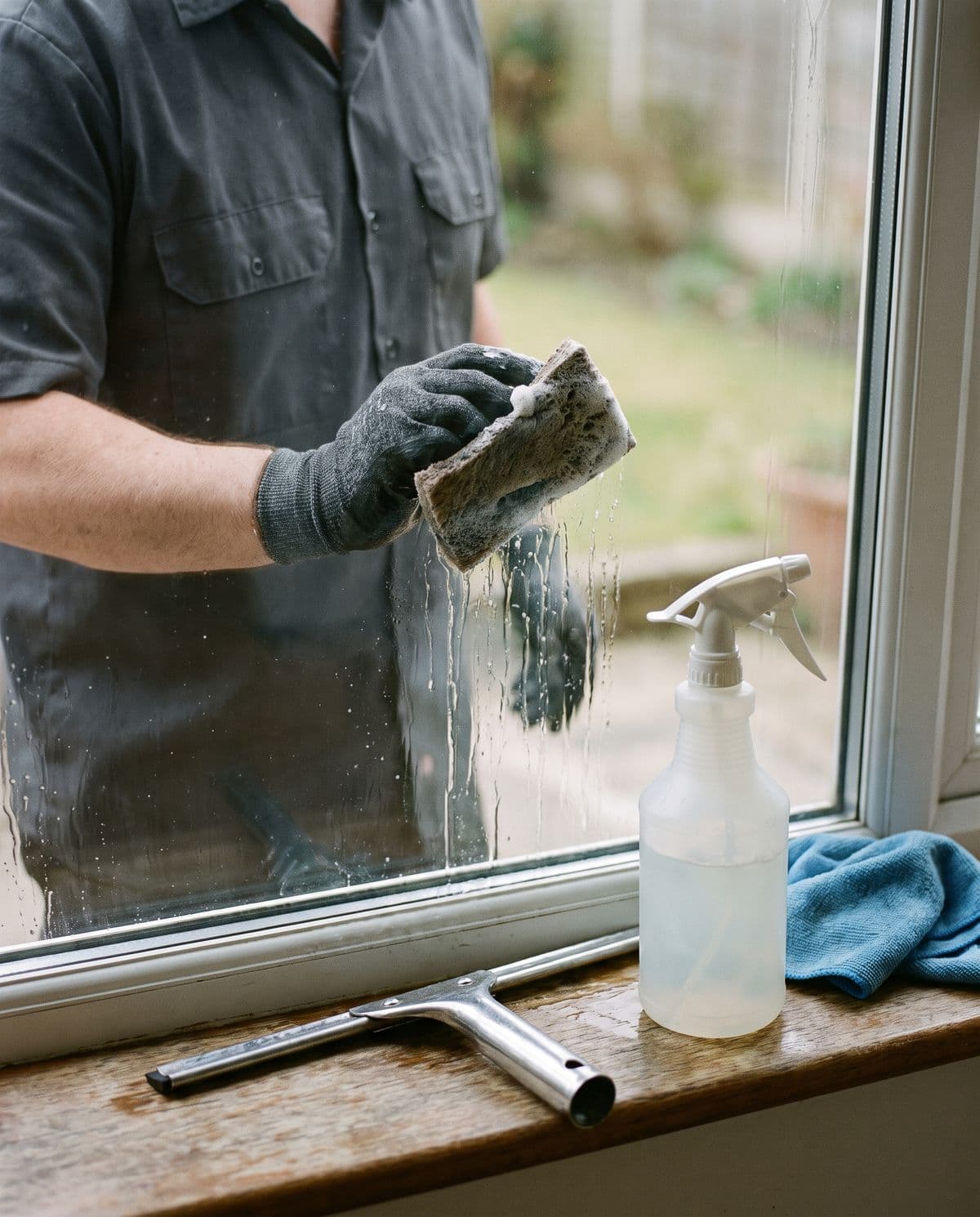
The glass is cleaned, scraped and cleaned again. Anything left on the pane, a speck of grit or a spot of paint, becomes a permanent mark under the film, visible from both sides, for as long as the film is on the window. There is no fixing it afterwards. This is the stage that decides whether the job lasts.
- 01
Measure
Every pane measured individually. Openings in the same building are rarely the same size, and a film cut to the wrong pane is wasted material.
- 02
Prepare
Furniture moved back, sills and floors protected, blinds and hardware taken down where they are in the way. The area is set up before any water goes near the glass.
- 04
Position
The film is cut oversized, floated into place on solution, and trimmed to the opening. Positioning happens while it can still be moved.
- 05
Apply
Solution is worked out from the centre to the edges in overlapping passes. Anything left behind is a bubble, and once the adhesive grabs, it stays.
- 06
Finish
Edges are squeegeed down and the perimeter is dried. This is where a good installation stops looking like an installation at all.
- 07
Inspect
Every pane checked from both sides in daylight, hardware refitted, the area put back as it was. Then we walk it with you, because you should see it before we leave.
Most homes are a single visit. Commercial work usually runs in sections or after hours, so you do not have to close. Timing is confirmed when we see the glass, because it depends on the number of openings and the access.
What the work looks like
Six frames, and six is the honest number: an elevation, an interior, the material, the hand. Padding a gallery with the same building twice is what makes one look generated.
Showing 6 images.
Larger projects
More glass. Bigger opportunity.
Stewart works at both ends of the scale: a single problem window, and everything from a full house to a commercial elevation. Larger jobs are quoted as a project rather than by the pane.
Whole-home
Every opening, not just the bad one.
Most people call about one room: the west-facing lounge, or the kitchen that is unusable by four o'clock. Doing the whole elevation at once costs less per window than coming back twice, and it stops the treated room looking different from the ones either side of it.
Single visit for most homes
Commercial & multi-window
A whole elevation, floor by floor.
Offices, storefronts, medical suites and multi-tenant buildings, worked in sections or after hours so nothing has to close. One specification across every bay, so the finish is consistent from the car park.
Scheduled around your trading hours
Three conversations, one install.
No pressure at the door and no charge for the visit.
- 01
Tell us what is wrong
Send the estimate request or call. Which rooms are the problem, or which side of the building takes the sun.
- 02
We measure and quote
We come out, measure the glass, show you film samples in your own light, and give you a price. No charge for this.
- 03
We install
Most homes are a single visit. Commercial work can run in sections or after hours so you do not have to close.
Where we work.
Based in Cedar Hill, covering Jefferson County, Missouri and nearby Missouri communities.
- Arnold
- Festus
- Hillsboro
- Imperial
- Barnhart
- Pevely
- Herculaneum
- Crystal City
- De Soto
- House Springs
- Cedar Hill
- High Ridge
- Fenton
Not on the list? Call and ask: (636) 575-6564
Straight answers.
The questions we get asked on nearly every estimate.
It depends on how much glass there is, the shape and access of the windows, and which film the job calls for. That is why the estimate is free and done on site. We measure your actual glass and give you a real number rather than a range that turns out to be wrong.
Not necessarily. Film comes in a wide range of light levels, from barely perceptible to strongly tinted. Lighter films still cut a meaningful amount of heat and glare. We bring samples and hold them against your own windows in your own light before you decide.
Yes, and it is one of the most immediately noticeable results. Film reduces the harsh directional light that washes out televisions, monitors, and work surfaces at certain hours, while leaving the room daylit.
Yes, with an important detail. Reflective film gives you daytime privacy while you keep the view out, but the effect reverses after dark once your interior lights are on. Frosted film obscures the view in both directions day and night, but you lose the view out. We will tell you which one fits your situation.
Yes. Offices, storefronts, retail, restaurants, and property-management work are all standard for us, including privacy film on partitions and security film on ground-floor glass. Commercial work can be scheduled in sections or after hours so you do not have to close.
Yes. Most residential jobs start with the one or two rooms that are actually a problem rather than the whole house. There is a practical minimum for a visit to be worth making, and we will tell you plainly if your job is under it.
It helps significantly. Ultraviolet light is the main driver of fading in hardwood, upholstery, rugs, and artwork, and film blocks the large majority of it. It is worth being straight about the limit though: UV is the main cause but not the only one. Heat and visible light contribute too, so film slows fading substantially rather than stopping it completely.
Most glass, but not all, and this is the first thing checked on the estimate visit. Some combinations of film and glass, particularly on certain double-glazed, tempered, or already-coated units, are not advisable, because the wrong pairing can put thermal stress on the pane. If your glass is one of those cases we will tell you and recommend a different film rather than take the job.
Five things decide it: what the glass is, which way it faces and how long the sun is on it, what the room is used for, which result matters most to you, and what you are willing to trade for it. Almost every choice here is a trade. Maximum heat rejection, maximum clarity, and minimum visible change cannot all be the priority at once. Once those are settled, the film chooses itself.
Yes, and it genuinely helps. A few phone photos of the windows and the room they are in, plus roughly which direction they face, let us understand the job before we arrive, and sometimes let us narrow the options before the visit. There is a photo step built into the estimate form for exactly this. A site visit is still needed for a final price, because the glass has to be measured.
Most homes are a single visit. A large commercial job depends on how much glass there is and whether we work around your business hours. We give you the expected time along with the price, once we have seen the glass.
Warranty coverage varies by product and installation. Stewart can explain the coverage that applies to your film during the estimate.
Leave it alone for the first few weeks while the adhesive fully cures. Some haze or small water pockets during that period are normal and clear on their own. After that, clean it with a soft cloth and any non-abrasive cleaner. Avoid scrubbing pads and bladed scrapers on filmed glass.
We work throughout Jefferson County, Missouri and the surrounding communities, including Arnold, Festus, Hillsboro, Imperial, Barnhart, Pevely, and nearby areas. If you are not sure whether you are in range, ask.